The main objective of the CIRCUS Project (STHB.03.01-IP.01-0015/25) is to promote sustainable and conscious tourism by developing and implementing solutions based on circular economy principles in tourist destinations, fostering responsible visitor behaviour, and strengthening interregional cooperation and knowledge exchange through a shared digital platform.
Project duration: 32 months.
The total project budget amounts to EUR 1,855,599.47, of which EUR 1,855,599.47 is eligible expenditure. The project receives EUR 1,484,479.57 in funding from the European Union. The project implementation period runs from 26 June 2026 to 26 February 2029.
Tourism is one of the most important economic and cultural assets of the South Baltic region. Cities and destinations such as Gdańsk, Rostock, Karlskrona, Bornholm, and Klaipėda attract more than 35 million visitors annually (Eurostat, 2022). While tourism generates employment opportunities and increases the visibility of the region, it also places growing pressure on the environment.
Tourists behave differently from local residents: they stay for shorter periods, often lack local knowledge, and tend to choose the most convenient options. The amount of waste generated and water consumed by a tourist can be up to twice as high per day as that of a local resident (UNWTO, 2023). In addition, tourists are more likely to rely on single-use products. Such consumption patterns threaten both the preservation of natural and cultural heritage and the quality of the visitor experience. To remain competitive, South Baltic destinations must ensure that sustainable choices are visible, accessible, and attractive to visitors.
The CIRCUS Project addresses these challenges and enhances the attractiveness, sustainability, and resilience of South Baltic destinations by promoting conscious tourism. This approach not only improves the visitor experience but also integrates circular economy and resource-efficiency principles into tourism services and infrastructure.
The project focuses not only on reducing environmental impacts but also on creating high-quality visitor experiences. CIRCUS introduces circular visitor management systems that help tourists make more sustainable choices without compromising comfort. At the same time, municipalities and tourist attractions are provided with opportunities to reduce waste, save resources, and strengthen their image as responsible, high-quality destinations.
2026 09 11
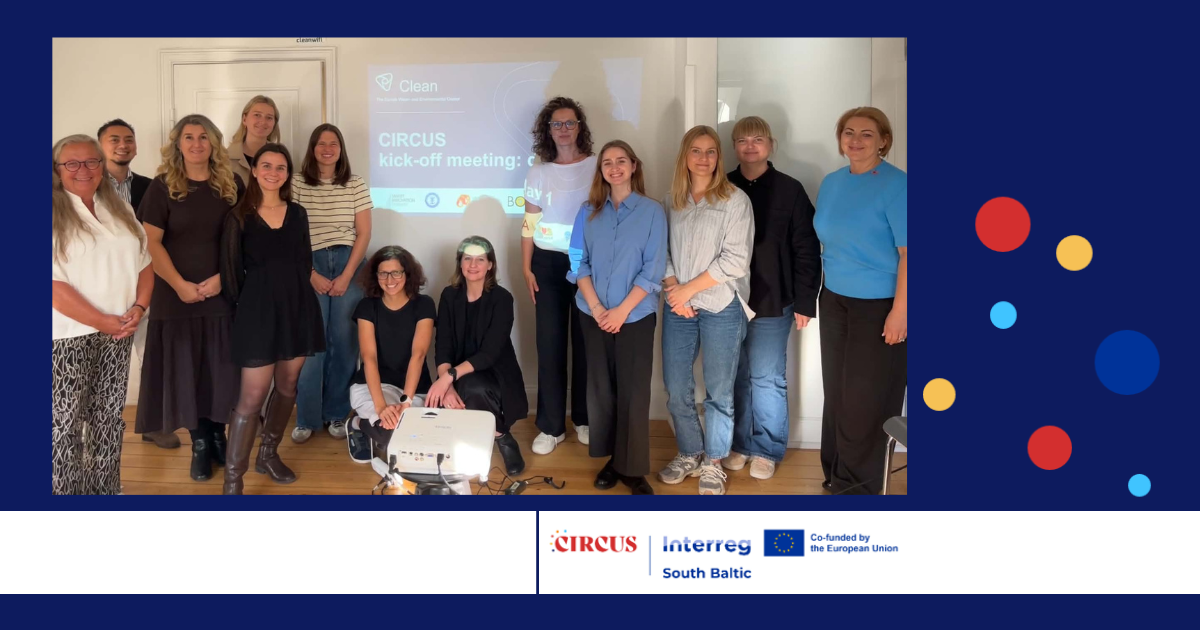
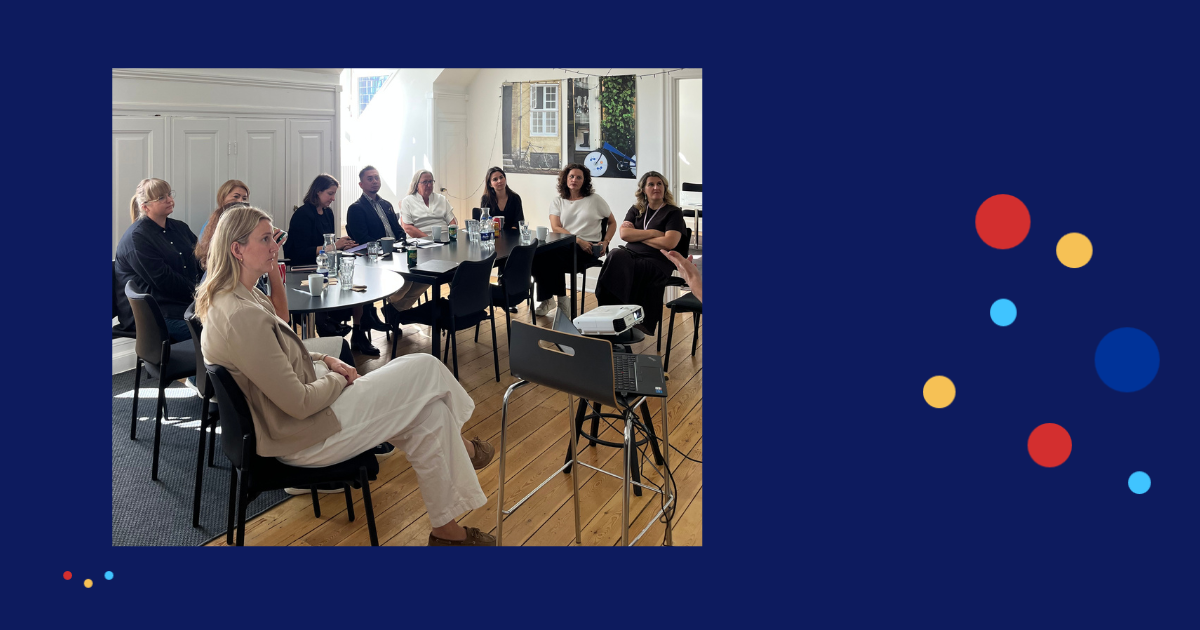
The CIRCUS – „Conscious Tourism in Resilient Cities and Urban Spaces“ project brings together partners from across the South Baltic region to explore how tourism can become more sustainable, responsible and resilient. The project focuses on a simple but powerful idea: sustainable tourism is not only about reducing environmental impact – it is also about influencing everyday choices and encouraging visitors, organisations and destinations to act more consciously. Through research, co-creation, pilot testing and data-driven evaluation, CIRCUS will explore practical solutions related to visitor behaviour, circular economy, resource use, mobility, digital innovation, education and community engagement.
The ambition is not to create solutions that work only in one place. It is to identify what works in practice, measure the impact and share solutions that can be transferred to other museums, tourism organisations and destinations across the South Baltic region.
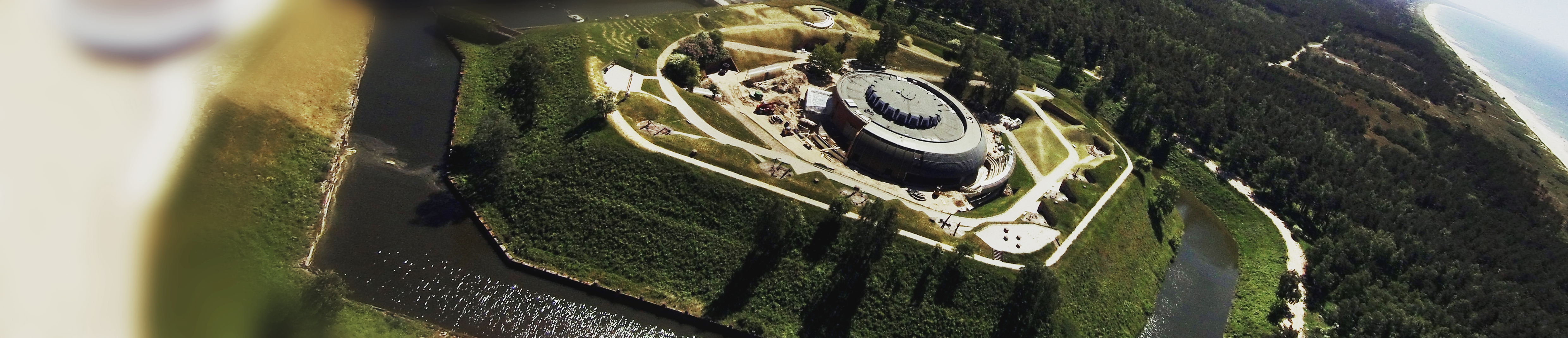
At the Lithuanian Sea Museum, our pilot activities will explore how visitor engagement, education, digital tools, sustainable mobility, resource efficiency and behavioural nudges can contribute to more conscious tourism.